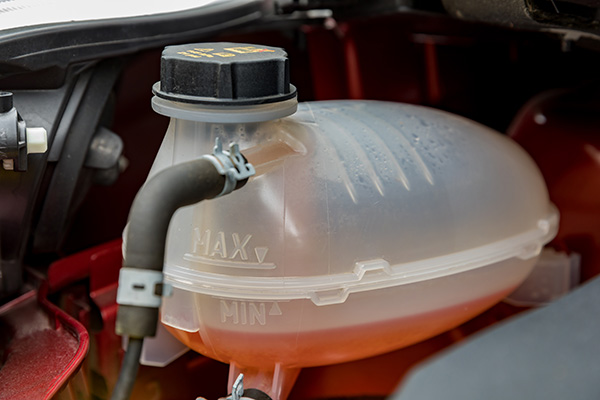
Coolant leaks have a way of staying quiet at first. You might smell something slightly sweet after parking, or notice the coolant reservoir is a little lower than last time, then move on because the car still drives fine. That is how a lot of cooling system problems sneak up on people.
The tough part is that coolant is your engine’s temperature safety net.
Once that safety net gets thin, the jump from small leak to overheating can be fast.
How A Small Coolant Leak Turns Into A Bigger Problem
In the beginning, a leak may only show up as a slow drop in the reservoir. The engine can still stay at a normal temperature because there is enough coolant to circulate and move heat into the radiator. Drivers assume it is nothing, especially if there is no puddle.
Over time, leaks often expand. Heat cycles harden hoses and seals, and a seep can become a drip. When the coolant level drops far enough, air can enter the system. That is when temperature control starts getting unpredictable because air pockets interrupt coolant flow.
Early Coolant Leak Signs Drivers Miss
A lot of people expect coolant loss to be obvious. In reality, coolant can evaporate on hot surfaces or collect under splash shields where you do not see it. The first clue is often a smell after shutdown or a faint whiff when you walk past the front of the car.
Here are early signs worth paying attention to:
- Coolant reservoir level drops between checks
- A sweet smell after parking, especially after a longer drive
- The heater blows hot at speed but turns lukewarm at idle
- The temperature gauge creeps up in traffic, then settles on the road
- You see crusty residue near hose connections or the radiator area
One of these can be minor. A repeating pattern is your cue to schedule an inspection.
Why Overheating Often Happens In Traffic First
Traffic is where cooling systems get exposed. Airflow through the radiator is low, underhood temperatures climb, and the system relies heavily on fans and proper coolant circulation. If the coolant level is low, the system loses margin, and it struggles to keep temperatures stable.
This is why some drivers notice the temperature rising at stoplights, then dropping once they start moving. The car is not magically fixing itself. It is just getting more airflow and a bit more help from engine speed.
Waiting for the next traffic jam to confirm it is risky. The next spike can be higher and happen faster.
Where Coolant Leaks Commonly Start
Some leak points are predictable. Radiator end tanks, hose connections, and thermostat housings are frequent trouble spots. Radiators can seep along plastic-to-metal seams as they age. Hoses can leak at clamps, especially if the clamp is weak or the hose has softened.
Water pumps are another common source. Many pumps leak from a small drain point called the weep hole when the internal seal starts to fail. The leak may leave a small drip, then the belt and fan airflow can scatter it, making it hard to spot from above.
Some leaks show up only when the system is hot and pressurized. That is why a quick glance in a cold driveway can miss it completely.
What Happens Inside The Engine When Coolant Gets Low
When coolant level is low or flow is interrupted by air pockets, parts of the engine can run hotter than others. That uneven temperature creates hot spots. You may not see it on the gauge right away because the sensor is reading one area, not every hot spot in the engine.
As temperatures climb, metal expands. Sealing surfaces are stressed. Hoses and plastic fittings are stressed. If overheating becomes severe, head gasket sealing can be compromised, and that is where repairs stop being simple.
Oil is affected too. High heat thins the oil and reduces its protective film strength, especially during long drives. Even if the engine seems to recover after cooling down, repeated overheating events can shorten engine life.
What To Do If Your Temperature Starts Rising
If the temperature gauge begins creeping up, especially in traffic, treat it seriously. Turn off the A/C to reduce engine load. Turn the heater on if you need an emergency way to pull some heat away from the engine. Then get to a safe place and let the engine cool.
If the gauge climbs quickly or heads toward hot, shut it down as soon as you have parked safely. Driving through overheating is how small coolant leaks turn into expensive engine problems.
Do not open the coolant cap on a hot engine. Let it cool completely first.
What We Check During A Coolant Leak Inspection
The first step is confirming coolant level and looking for visible seepage, residue, or wetness at common leak points. We also inspect hoses, the radiator area, thermostat housings, and other connections. If the leak is not obvious, we may check the system when it is warm and pressurized.
We also look at fan operation and temperature stability, because leaks are not the only reason engines overheat. A cooling system needs both proper coolant volume and proper airflow.
Once the source is identified, you get a clear plan. Fixing the leak, refilling correctly, and bleeding air from the system are what restore stability.
Get Coolant Leak Repair in San Jose, CA with Quality Tune Up Car Care Center
If your coolant level is dropping or your temperature is creeping up in traffic, we can inspect the cooling system, find the source of the leak, and recommend the most practical fix at Quality Tune Up Car Care Center.
Schedule your service with Quality Tune Up Car Care Center in San Jose, CA, and let us stop a small coolant leak before it turns into an overheating problem.
You will be able to drive without watching the temperature gauge every mile.