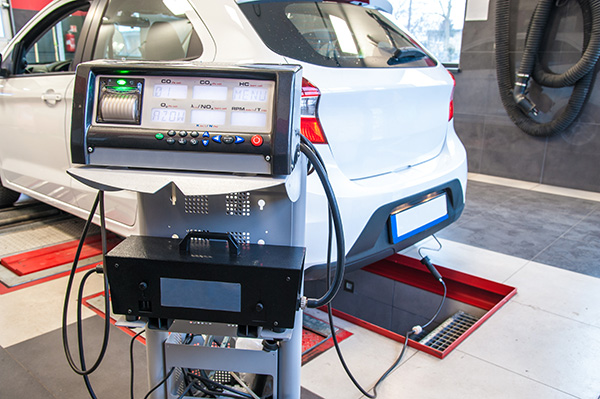
California emission testing can make drivers a little uneasy, especially when the car seems to run fine. You drive every day without trouble, then the test shows something in the emissions system is not doing its job. That can be frustrating because many emissions problems do not feel obvious from behind the wheel.
The better approach is to prepare for the test rather than treating it as a surprise. A vehicle that has warning lights, old service items, fuel control problems, or incomplete monitors is more likely to fail. A few checks ahead of time can save you from a failed test, a return visit, and extra stress.
1. Check Engine Light Is On
A check engine light is one of the clearest reasons a vehicle can fail an emission test. The light means the vehicle’s computer has detected a fault in a monitored system. Even if the car feels normal, the emissions system may not be operating within the required range.
Do not clear the light right before the test and hope it stays off. That can reset the readiness monitors and create another problem. The smarter move is to have the system scanned, tested, and repaired before testing. A proper inspection can show whether the issue is tied to fuel control, ignition, EVAP, sensors, or catalytic converter performance.
2. Readiness Monitors Are Not Set
Modern vehicles run self-checks called readiness monitors. These monitors tell the testing equipment whether the car has completed its internal emissions checks. If the battery was recently disconnected, codes were cleared, or repairs were just performed, some monitors might not be ready yet.
A car can fail or be rejected from testing even without an active check engine light if too many monitors are incomplete. The vehicle needs a proper drive cycle so the computer can run its checks. Driving around randomly does not always complete them. It depends on speed, temperature, fuel level, and driving conditions.
3. Worn Spark Plugs Or Misfires
Spark plugs help burn the air and fuel mixture inside the engine. When they are worn, fouled, or overdue, the engine can misfire or burn fuel less cleanly. A misfire sends unburned fuel into the exhaust, increasing emissions and potentially damaging the catalytic converter.
Sometimes the driver feels shaking, hesitation, or a rough idle. Other times, the problem is mild enough that the car still seems acceptable during daily driving. Regular maintenance helps keep ignition parts from falling behind and creating emissions issues right before a test.
4. Bad Oxygen Sensors
Oxygen sensors measure the exhaust and help the engine computer adjust fuel delivery. If a sensor gets slow, contaminated, or inaccurate, the engine can run too rich or too lean. Either condition can raise emissions and trigger a fault code.
Oxygen sensor codes should be diagnosed carefully. The sensor might be bad, but air leaks, exhaust leaks, fuel problems, or engine performance issues can also affect the readings. Replacing the sensor without testing can miss the reason the computer flagged the system in the first place.
5. Catalytic Converter Problems
The catalytic converter helps clean the exhaust before it exits the tailpipe. When it stops working efficiently, the vehicle may fail the emissions portion of the test. Drivers might notice weak acceleration, poor fuel economy, a sulfur smell, or no clear symptom at all.
A failing catalytic converter can be the result of another problem. Misfires, rich fuel mixture, oil burning, or ignored sensor faults can overheat or contaminate the converter. If the converter is replaced without fixing the cause, the new one can be damaged too. That is why converter codes need more than a quick parts decision.
6. EVAP System Leaks
The EVAP system keeps fuel vapors from escaping into the air. It includes the gas cap, vapor lines, purge valve, vent valve, charcoal canister, and related controls. A small leak in this system can turn on the check engine light and cause a failed emission test.
A loose or worn gas cap is one simple cause, but it is not the only one. Cracked hoses, stuck valves, and canister problems can also create EVAP faults. These issues can be hard to spot without proper testing, as the vehicle may still drive perfectly fine while the vapor system is leaking.
7. Dirty Air Filter Or Fuel Mixture Problems
A dirty air filter, vacuum leak, weak fuel injector spray, mass airflow sensor issue, or fuel pressure problem can change how the engine burns fuel. When the air and fuel mixture is off, emissions rise. The engine computer may correct for a while, but that does not mean the vehicle is ready for testing.
Small performance changes can be easy to miss. Lower fuel economy, harder starts, hesitation, or rougher idle can all point toward a mixture issue. Preparing for an emission test should include checking basic service items and addressing drivability concerns before they turn into failures.
Get Emission Test Preparation In San Jose, CA, With Quality Tune Up Car Care Center
If your vehicle is due for an emission test or has recently failed one, Quality Tune Up Car Care Center in San Jose, CA, can help check warning lights, monitor systems, address ignition issues, diagnose EVAP faults, and address other emissions-related concerns.
To prepare your vehicle properly before testing, contact us to schedule an appointment.